Advising Through a Shifting Landscape
As the research landscape shifted, philanthropists increasingly looked to the Alliance for leadership, strategic guidance, and expert perspective on where philanthropy could respond most effectively. This included science landscape analyses, proposal review and scientific diligence, partnership facilitation, and scenario planning designed to help philanthropists respond strategically while remaining aligned with their long-term goals. Through our advising engagements, we identified several key areas where philanthropy could play a uniquely important role.
One priority area was protecting scientific infrastructure and ensuring long-term access to critical research data. Scientific progress depends on reliable datasets, research platforms, and shared infrastructure that can be difficult to rebuild once disrupted. The Alliance helped facilitate the NYCE Database Preservation Effort alongside partners including the Simons Foundation, Fund for Science and Technology, and Sea Change. This initiative focused on safeguarding critical climate and scientific datasets to ensure long-term accessibility and continuity for researchers and accelerated approximately $40 million in new philanthropic funding.
Another important area was helping funders identify bridge funding opportunities and rapid-response support for vulnerable research programs affected by federal funding disruptions. In one effort, the Alliance collaborated with partners to help preserve glioblastoma research programs by developing new philanthropic funding pathways capable of sustaining research continuity during a period of instability.
The Alliance also worked to strengthen coordination across the science philanthropy community by facilitating strategic connections between funders, scientific leaders, research institutions, and urgent areas of need. These efforts enabled philanthropists to share information, align strategies, and respond more quickly and effectively to emerging challenges across the research ecosystem.
Throughout this period, the Alliance served as a trusted, neutral advisor, helping philanthropists move confidently through uncertainty while preserving flexibility, focus, and long-term impact.
The demand for this kind of guidance was reflected in a year of record growth for the Alliance community. In 2025, we advised nearly 70 science funders, helping both Alliance members and nonmember philanthropies advance discovery science through strategic giving. We also welcomed seven new members and three new supporters, bringing our total membership to 44 organizations committed to advancing discovery science through visionary philanthropy.
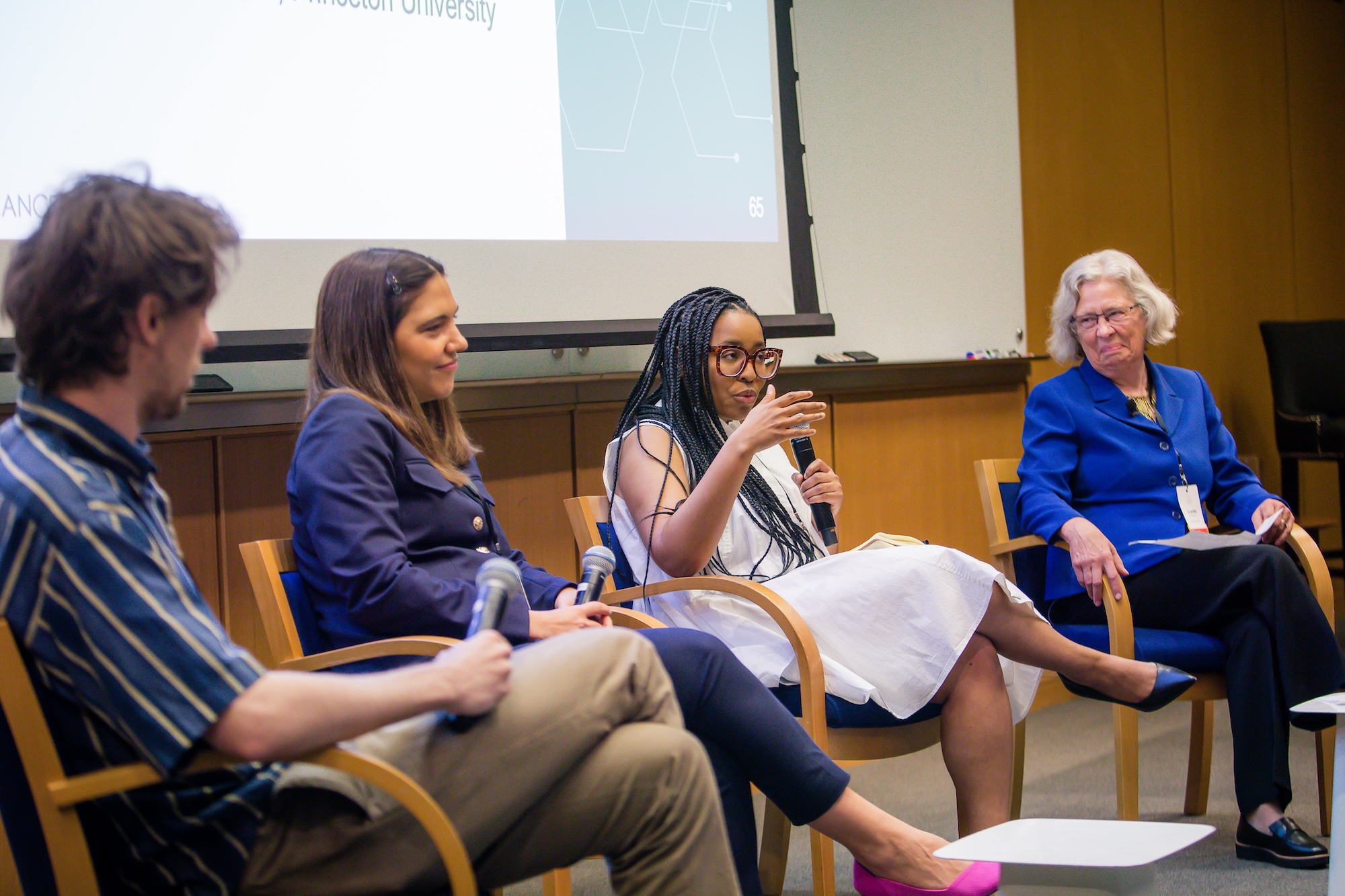
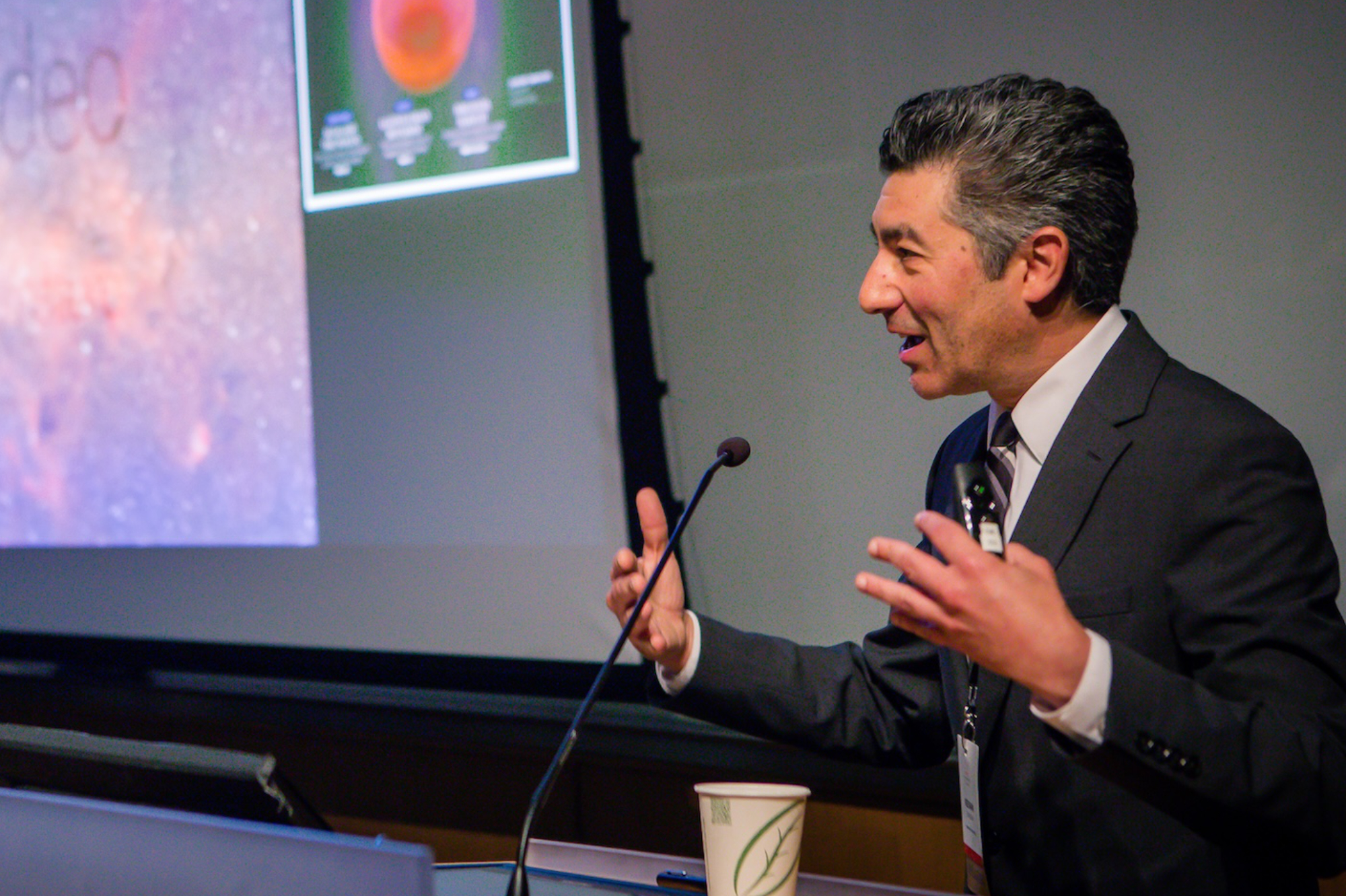
Below: The Alliance’s Spring 2025 Members Meeting focused on the changing landscape for science and the evolving role philanthropy that can play in supporting the next generation of researchers.
.jpg)
Strengthening Community and Shared Learning
Across in-person meetings, virtual programs, and peer learning forums, the Alliance created space for candid conversation, strategic reflection, and shared problem-solving during a period of significant change.
Our Spring and Fall Members Meetings reflected many of the defining themes of the year. In May, “The Next Generation,” hosted by the Rita Allen Foundation and the Lasker Foundation in New York City, brought together philanthropists, scientific leaders, and institutional partners to explore how philanthropy could respond to shifting federal support while helping build a more resilient and inclusive scientific enterprise. Discussions focused on supporting early-career researchers, preserving long-term scientific capacity, and sustaining bold, curiosity-driven research during a period of significant change.
In November, the Alliance community gathered in Los Angeles for “The Year of Quantum,” hosted by The Kavli Foundation, to examine how philanthropy can support high-risk, high-impact, and collaborative discovery science. Conversations highlighted philanthropy’s unique ability to invest early in emerging fields, catalyze interdisciplinary partnerships, support shared scientific infrastructure, and sustain ambitious long-term research efforts that may take years to fully mature.
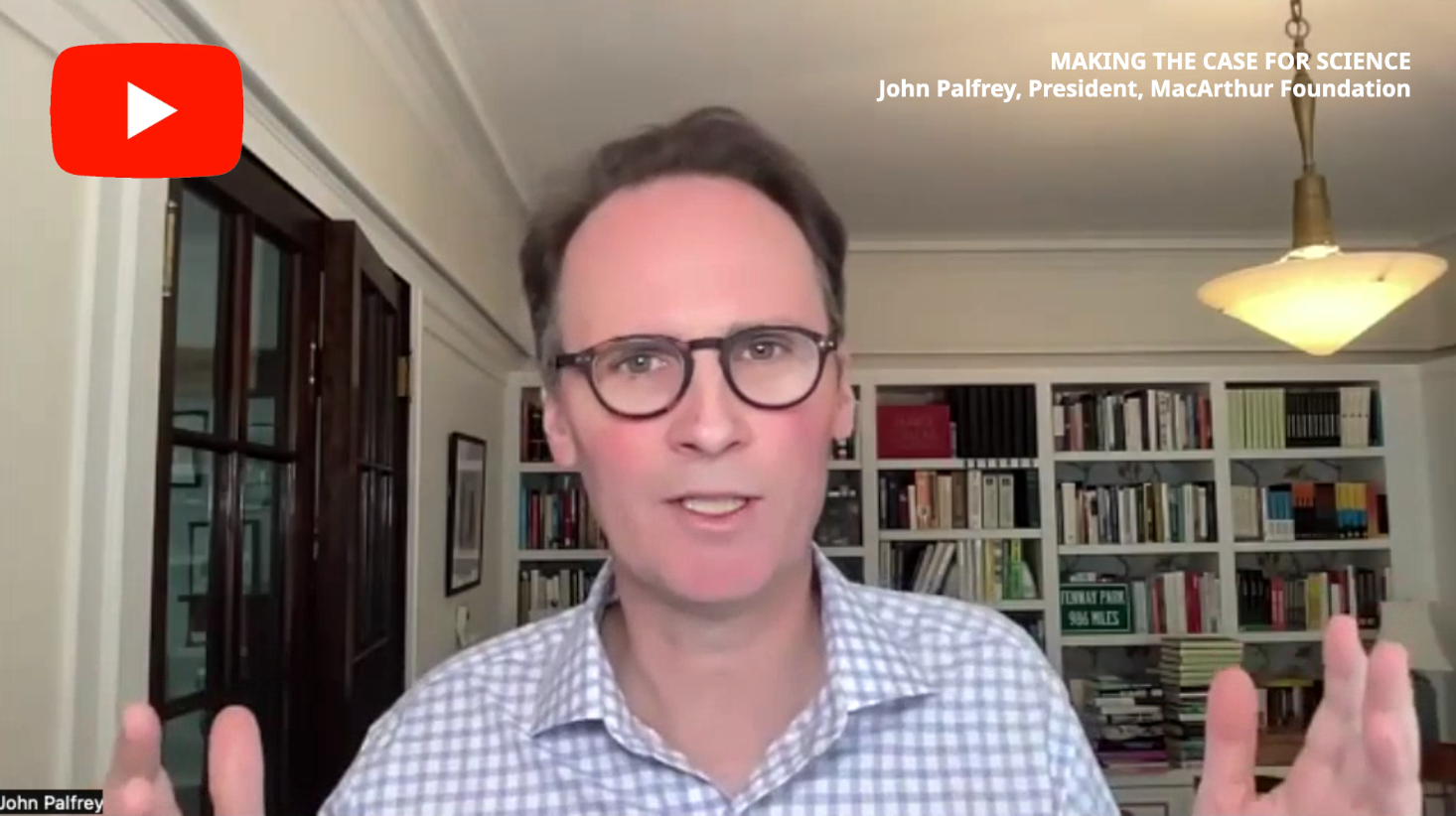
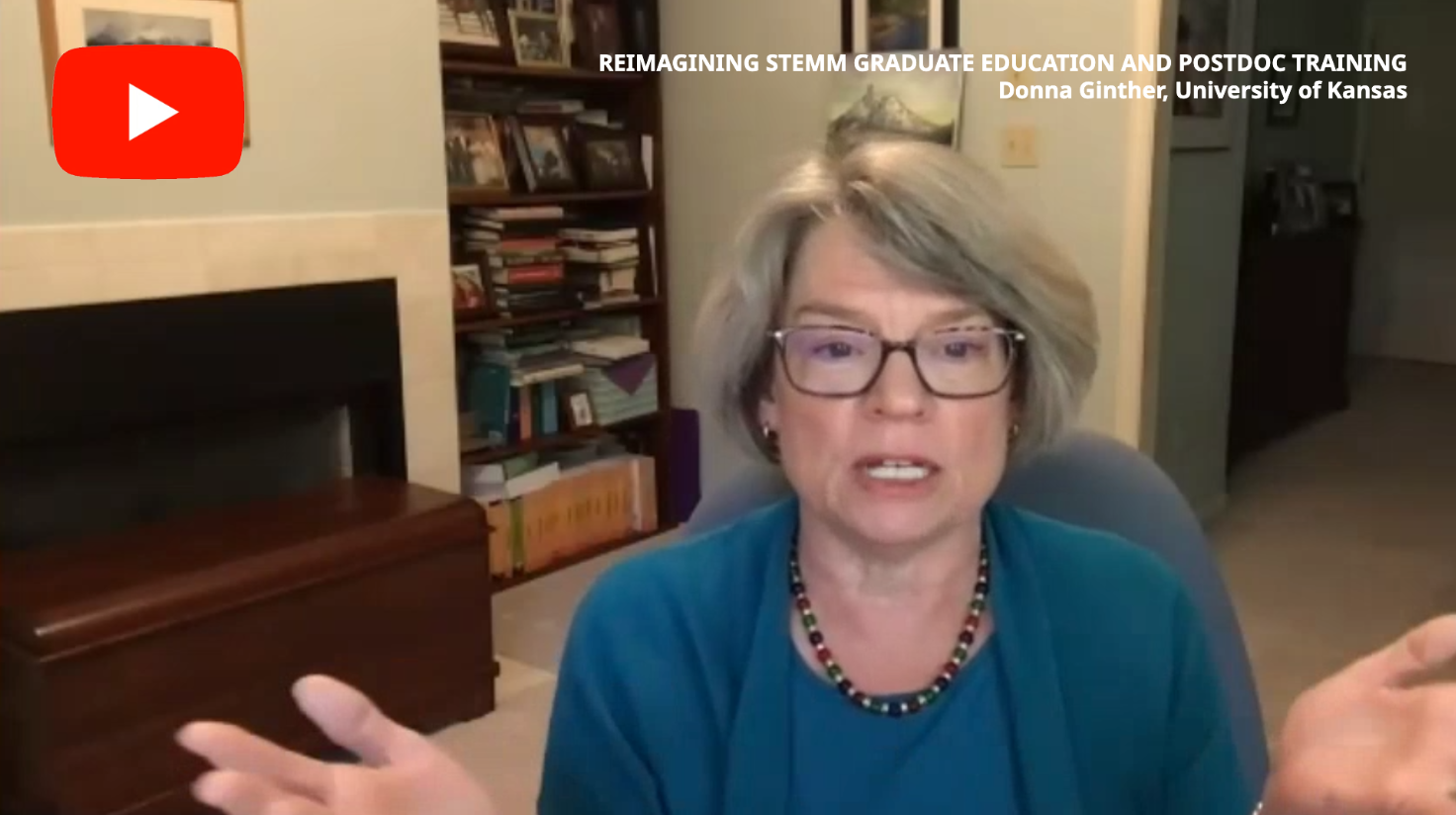
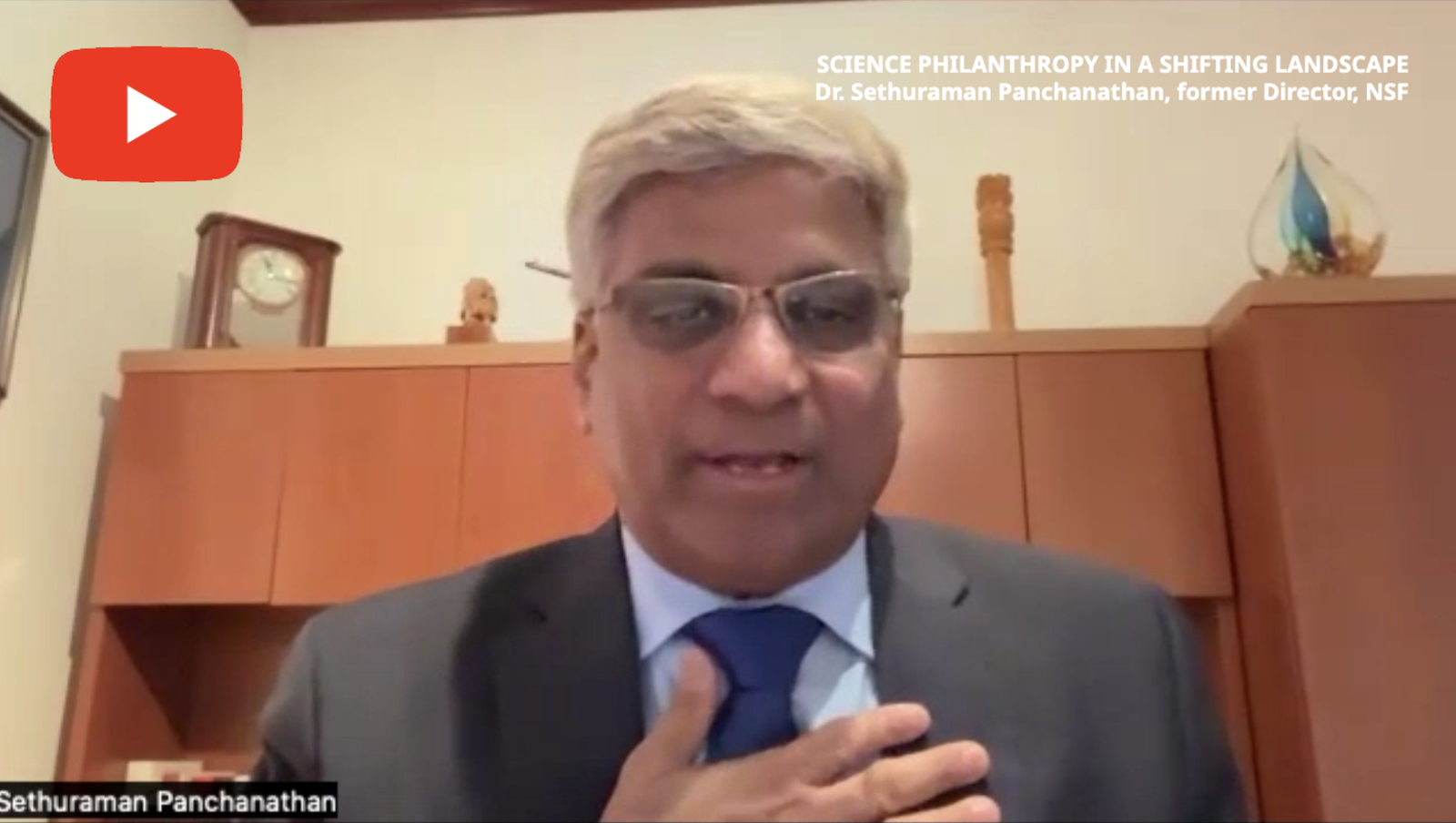
Throughout the year, the Alliance also hosted its “Science Philanthropy in a Shifting Landscape” virtual event series, featuring conversations with scientific leaders, foundation executives, and policy experts including National Academy of Sciences President Marcia McNutt, former NIH Director Francis Collins, and University of Texas at El Paso President Heather Wilson. These discussions provided members with timely insights into the changing federal landscape and emerging opportunities for philanthropic action.
The Alliance further supported peer learning through Shared Interest Groups focused on values-informed grantmaking and on measurement, evaluation, and learning (MEL). These forums enabled members to exchange promising practices, discuss common challenges, and collaboratively explore approaches to improving philanthropic effectiveness.
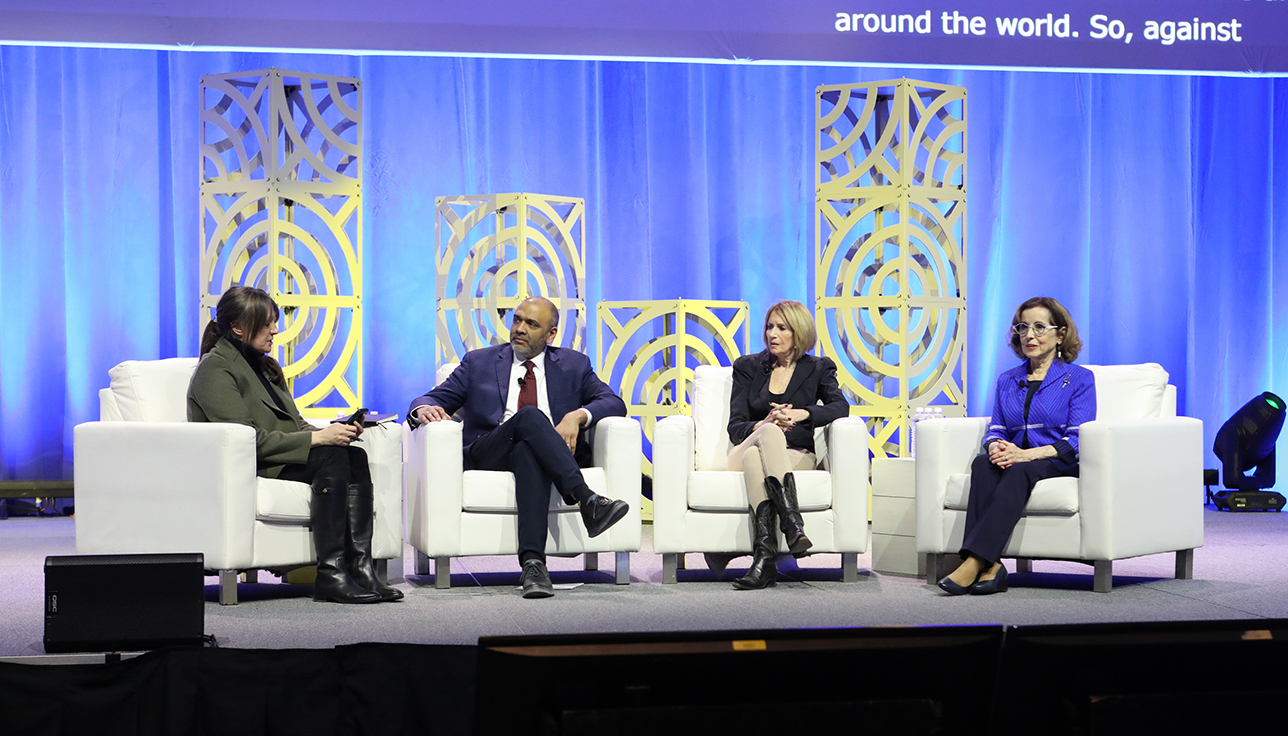
Below: Highlights from our virtual event series for Alliance members.
Shaping the Future of Science Philanthropy
As uncertainty reshaped the research landscape, funders turned to the Alliance not only for guidance on how to respond in the moment, but also for perspective on how the scientific enterprise itself may need to evolve in the years ahead. While many efforts focused on addressing immediate disruptions, the Alliance also helped advance broader conversations about how philanthropy, government, universities, and industry can work together to build a more resilient, adaptive, and sustainable future for discovery science.
Throughout the year, the Alliance continued to position science philanthropy as an increasingly important contributor within the research ecosystem through thought leadership, public engagement, and cross-sector collaboration. President France Córdova contributed to the Vision for American Science and Technology (VAST) initiative, a cross-sector effort bringing together leaders from philanthropy, academia, industry, and government to advance a strategic framework for strengthening U.S. scientific leadership, investing in scientific infrastructure and talent, and expanding collaboration across sectors. The Alliance also participated in the Joint Associations Group effort to develop the FAIR (Financial Accountability in Research) model, a proposed framework designed to improve the transparency, efficiency, and long-term sustainability of federal research funding systems.
The Alliance played an active role in the Funders Action Collaborative Tracks for Science (FACTS), a cross-foundation initiative launched in 2025 to help coordinate philanthropic responses to the growing challenges facing the U.S. scientific enterprise. FACTS brought together more than 70 funders and philanthropic advisors to share information, evaluate emerging needs, coordinate due diligence, and identify opportunities for collective action across areas including scientific workforce support, data preservation, science financing, public engagement, and policy analysis.
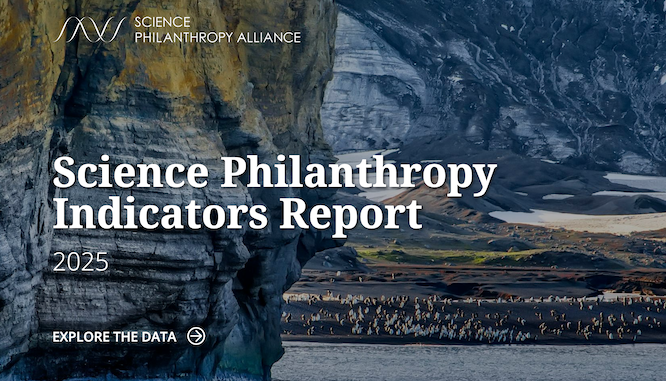
The Alliance further advanced this work through publications, commentary, and data-driven analysis highlighting philanthropy’s growing role in supporting discovery science. In 2025, we launched the interactive digital edition of the Science Philanthropy Indicators Report, which examines long-term trends in federal and philanthropic support for basic research. The interactive report, which received over 6,000 visits in 2025, provides a detailed, data-driven view of how private giving is shaping the U.S. scientific landscape and allows users to explore trends across fields, institutions, and funding areas. Alliance leadership and staff also contributed articles and commentary to outlets including Stanford Social Innovation Review, Forbes, Issues in Science & Technology, and The Chronicle of Higher Education.
Below: Through publications and speaking engagements, the Alliance helped shape conversations across the scientific and philanthropic communities.