.jpg)
Strengthening the Future of Biomedical Research with The Pew Charitable Trusts
In 2025, the Science Philanthropy Alliance partnered with The Pew Charitable Trusts to conduct a comprehensive assessment of the Pew Scholars Program in the Biomedical Sciences, one of the nation’s longest-running and most influential programs supporting early-career biomedical researchers. Conducted in collaboration with Elite Research, the multi-phase project examined how the biomedical research landscape has evolved over the past four decades and explored how philanthropic funding models can continue to support scientific innovation in a period of growing uncertainty and competition.
The assessment combined landscape analysis, data review, expert interviews, surveys, and extensive engagement with current and former Pew Scholars, advisory committee members, and program leadership. Together, the work examined fundamental questions facing the scientific enterprise today, including how to sustain curiosity-driven science, support early-career investigators, encourage interdisciplinary collaboration, and strengthen long-term research capacity in an increasingly complex funding environment.
The final report reaffirmed the enduring importance of flexible, people-centered philanthropic funding models that invest in researchers rather than narrowly defined projects. Findings showed that programs like Pew’s are uniquely positioned to support bold, high-risk ideas that often struggle to attract traditional funding while also helping scientists build independent labs, establish collaborations, and pursue transformative discoveries. The assessment also highlighted the growing importance of scientific community-building, mentorship, and cross-disciplinary networks in sustaining long-term scientific creativity and resilience.
Beyond the recommendations themselves, the project reflected the Alliance’s broader role in helping philanthropic organizations evaluate how their strategies can adapt to changing scientific and institutional realities. By combining scientific expertise, field-wide analysis, and philanthropic advising, the Alliance helped support a forward-looking conversation about how philanthropy can continue to strengthen discovery science and invest in the next generation of scientific leaders.
Building a National Network for Theoretical Physics with the Leinweber Foundation
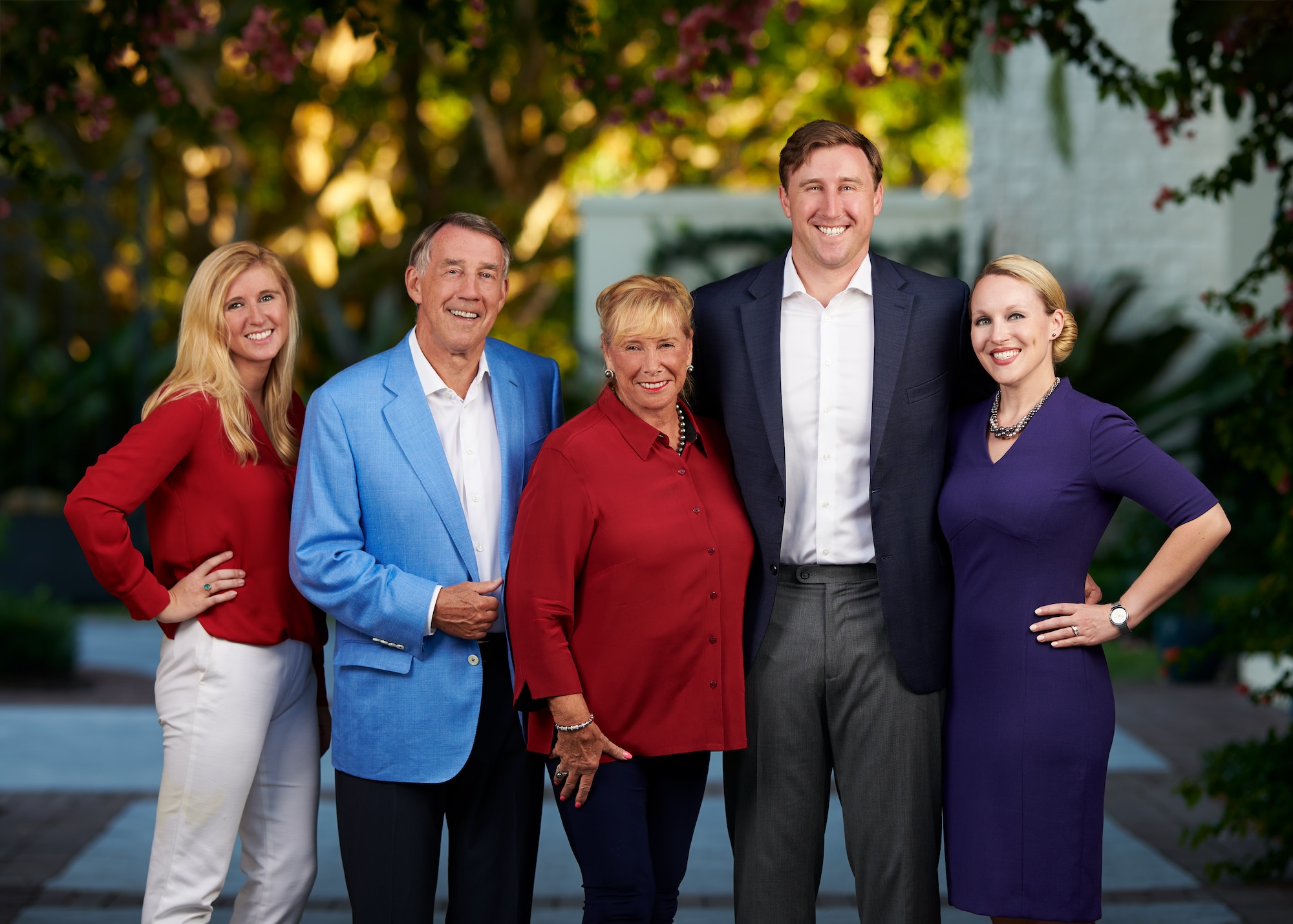
The Science Philanthropy Alliance began working with the Leinweber Foundation in 2022 as the Foundation explored opportunities to make a significant contribution to fundamental science. Guided by founder Larry Leinweber’s lifelong fascination with theoretical physics, that exploration evolved into an ambitious vision focused not only on supporting individual research programs, but on strengthening the broader ecosystem for theoretical physics in the United States.
Over several years, the Alliance assisted Larry and the Leinweber Foundation as it explored opportunities across the field, facilitating introductions to leading funders, researchers, and institutions, planning visits to major theoretical physics centers, and helping the Leinweber Foundation better understand the evolving needs of the research community. The conversations with scientists and university leaders highlighted that while individual institutions excelled in different areas, there was a significant opportunity to strengthen collaboration, support early-career researchers, and create longer-term, flexible funding structures capable of sustaining bold, curiosity-driven science.
That process ultimately led to the largest philanthropic investment ever made in theoretical physics research. In May and June 2025, the Leinweber Foundation announced gifts exceeding $100 million establishing Leinweber Institutes and Forums for Theoretical Physics at the University of Michigan, UC Berkeley, the University of Chicago, MIT, Stanford, and the Institute for Advanced Study. Since then, the network has grown to include Caltech, Harvard, and Princeton, and the Leinweber Foundation’s support for theoretical physics now exceeds $165 million.
One of the most distinctive features of the Leinweber Foundation’s investment strategy is its focus on building a network committed to broader collaboration, rather than making a series of standalone gifts. Each institute supports independent, curiosity-driven research while also participating in a broader national network dedicated to idea exchange, shared convenings, and cross-institutional collaboration. Together, the institutes are designed not only to advance theoretical physics research at individual institutions, but also to strengthen and expand the long-term future of the field itself.
Investing in Bold Scientific Questions with the "What If…" Awards
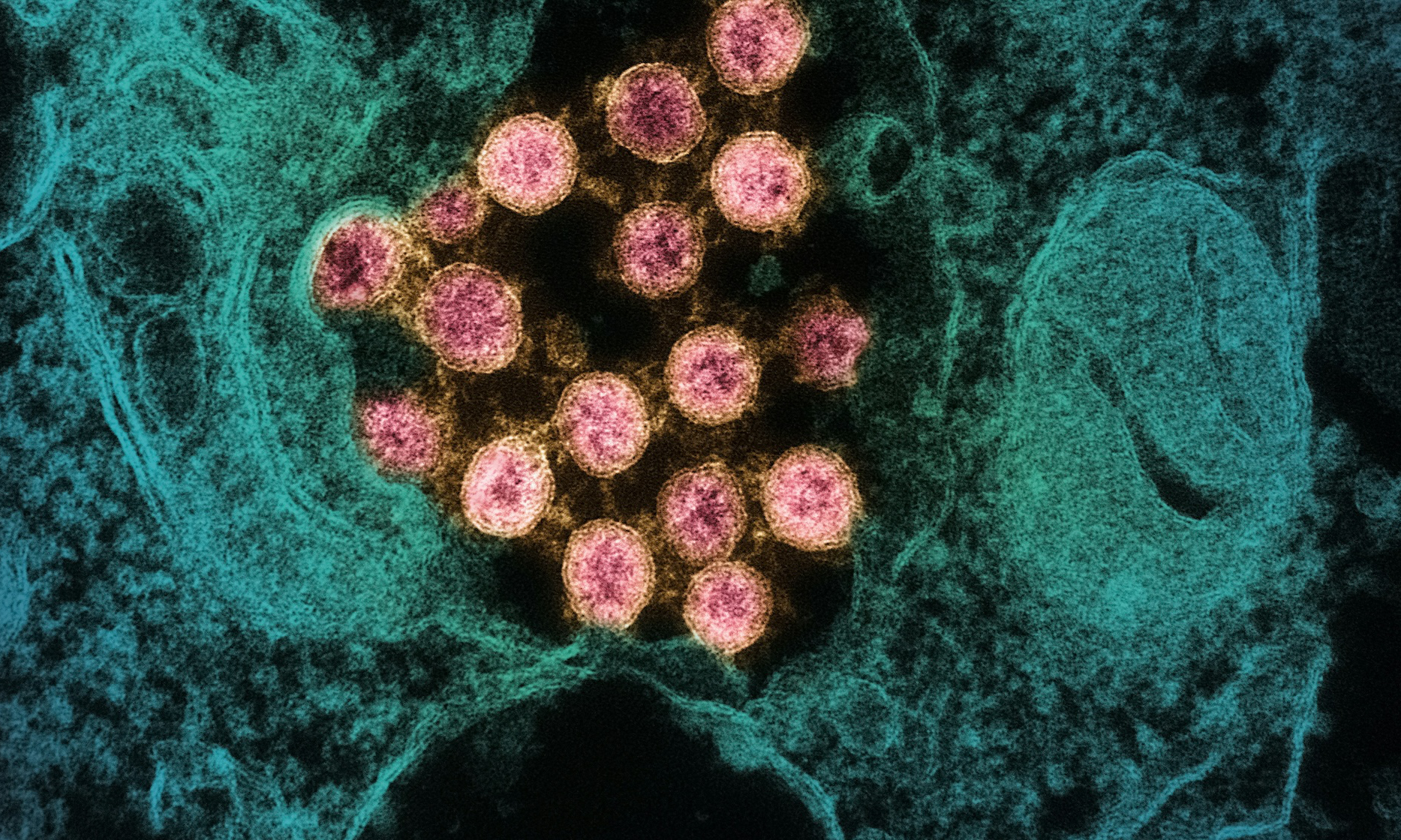
In 2025, the Science Philanthropy Alliance helped launch the "What If…" Awards for Creative Medical Research, a new philanthropic initiative designed to support bold, interdisciplinary ideas in biomedical and health science that might otherwise struggle to receive traditional funding. Facilitated by the Alliance on behalf of an anonymous funder, the program was created around a simple but ambitious premise: transformative discoveries often begin with speculative questions that fall outside siloed funding structures.
Working closely with the funder, the Alliance helped design an application and review process intentionally structured to encourage creativity, interdisciplinary thinking, and scientific risk-taking. Unlike many traditional grant programs, proposals required no preliminary data, allowing researchers to pursue ideas at their earliest and most imaginative stages. The process also emphasized accessibility and flexibility, culminating in a live virtual pitch session where finalists presented their ideas directly to reviewers.
The inaugural cohort awarded funding to four research teams from institutions across Chicago pursuing questions in areas including brain cancer, Alzheimer’s disease, artificial intelligence in clinical care, and antimicrobial resistance. Each project received $500,000 in total support through a combination of philanthropic funding and matching commitments from participating institutions.
The "What If..." Awards program illustrates the unique position of philanthropy to support high-risk, curiosity-driven ideas before they become mainstream fields of inquiry. By creating space for imagination and experimentation, the initiative aims to help unlock discoveries that could shape the future of medicine and human health.



